Navigating cancer can be as daunting emotionally and mentally as it is to physically deal with prognosis and treatment. Which is why Look Good Feel Better provides a range of free sessions, for anyone with any cancer at any stage. It is time away from the world of diagnosis, treatment and recovery, to help you navigate cancer with confidence, feel stronger and live better
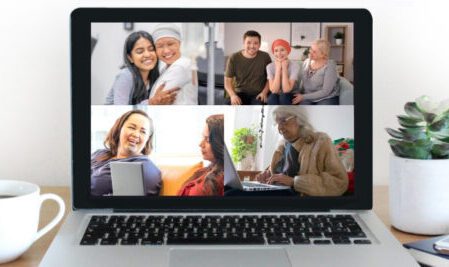
Our wellbeing programme features skincare and make-up classes throughout New Zealand, to online sessions including chair yoga and gentle Pilates, on-demand refresher videos, expert Q&As and podcasts. You can join as many classes as you need, and don’t need to have lost your hair or be in active treatment
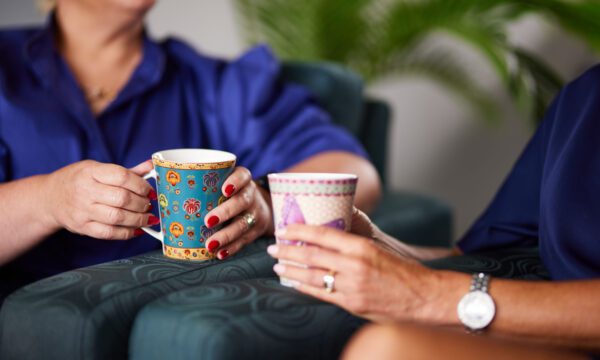
Want more information? We work with a range of cancer organisations and support services, we proudly share stories of patients who have taken part in a class or session to offer their feedback and advice – and we can answer some of those frequently asked questions too
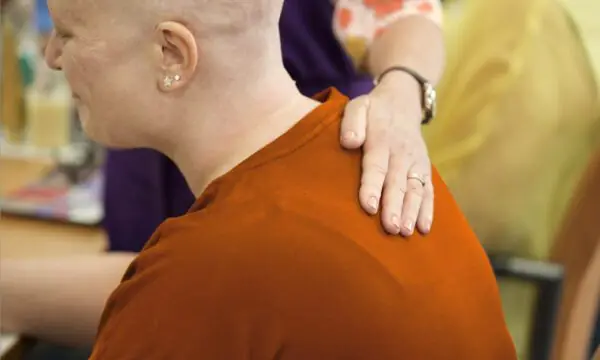
Be it giving your time, making a donation, telling others about our vital services, or being involved in our fundraising events – your support helps ensure we can offer our programme free. There is also a range of ways to help others navigate cancer with confidence
Within our programme we have a range of services available to access anywhere and at anytime.
Our wellbeing programme ranges from our signature skincare and make-up class held in more than 40 community centres throughout New Zealand, through to online sessions such as chair yoga or gentle Pilates, and on-demand refresher videos, expert Q&As and podcasts. You are welcome to join as many classes as you need, however we are only able to provide one Confidence Kit per year to ensure enough for everyone.
Held in more than 40 community centres across New Zealand, the skincare and make-up classes help you manage the impact of treatment. The two-hour sessions include easy-to-follow make-up techniques and participants receive a Confidence Kit of donated skincare and cosmetics.
The virtual video sessions are held via Zoom – with a programme of weekly, monthly and bi-monthly classes for skin, hair, body and mind – where you join from the comfort of your own home. The sessions usually have six to ten people in a relaxed environment.
Packed with useful advice and real-life experiences, these monthly online Q&A sessions provide insights and expertise from a wide range of people. This may include someone in healthcare, or a professional whose experience is applicable to someone with cancer or their loved ones.
This library of short videos are available any time, and include topics such as how to find calm through breathing, how to look after your skin during treatment, how to deal with neuropathy, how to care for your wig and how to tie a scarf hat.
Cancer Conversations is the series you hoped to never need. Journalist and cancer survivor Helen King chats with patients about their experiences, and experts give insights on navigating cancer. They include coping with emotions, navigating life and work post-cancer and styling for confidence.
You can truly make a difference to our programme by allowing us to provide free Feel Better Classes in your community.
Find out how
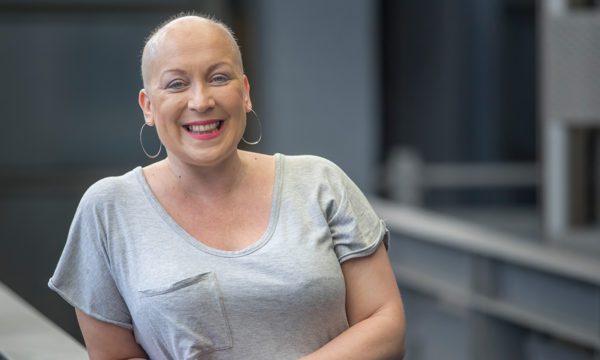
Before my diagnosis, I was a strong, independent woman who was working in advertising, a power-dressing powerhouse. I was a role model to Lola, my daughter. Lola and I explored Auckland, went to the theatre, we were all we needed. Then a year ago to this very day, I was ... Read the story
"LGFB helped me find the old Sarah. It helped me see her in the mirror, the Sarah I knew. It’s helped me face what I’m going through, it’s helped me reconnect with me as a person rather than me the cancer victim."
Sarah, LGFB participant
Want to be updated about Look Good Feel Better’s programmes, news and events?